
Evolve Back, Hampi – The Definition of Regal Luxury

Hampi reminds one of the grandeur of a bygone era. From Evolve Back, Hampi, explore the remnants of the glorious past to experience Hampi
Hampi — Karnataka’s City of Ruins
Hampi is where the Vijayanagara Empire left its capital written in stone. Spread across a boulder-strewn landscape on the banks of the Tungabhadra in Vijayanagara district, the site holds more than 1,600 surviving monuments — temples, royal enclosures, market streets, aqueducts and gateways — and has been a UNESCO World Heritage Site since 1986. In the 16th century this was one of the largest and richest cities in the world; today it is Karnataka’s most rewarding heritage destination, and one of the few where a 500-year-old temple is still in daily worship.
Hampi was part of Ballari district until November 2021, when the Karnataka government carved out a new Vijayanagara district — the state’s 31st — with Hosapete (Hospet) as its headquarters. Older guidebooks, maps and road signs still place Hampi in Ballari, so travellers will encounter both names.
This section of Karnataka.com brings together everything we’ve published on Hampi: temple-by-temple guides to Virupaksha, Vittala and the Yantrodharaka Hanuman shrine, the celebrated Stone Chariot, the Royal Enclosure, the ruins after dark, the annual Hampi Utsav, and where to stay — from backpacker guesthouses in Hampi Bazaar to luxury resorts across the river.
To learn more about Hampi, click here.
Planning a visit: October to February is the comfortable season, when Hampi Utsav is usually held. Hosapete (Hospet), about 13 km away, is the nearest railhead; Jindal Vijaynagar Airport at Toranagallu is the closest airport, with Hubballi and Bengaluru as bigger alternatives. Allow two full days — one for the sacred centre, one for the royal centre.
Hampi reminds one of the grandeur of a bygone era. From Evolve Back, Hampi, explore the remnants of the glorious past to experience Hampi

Kuruvathi Basaveshwara temple is an ancient abode of Nandi, Lord Shiva’s vehicle, on the banks of the Tungabhadra River in the Hoovina Hadagali taluk
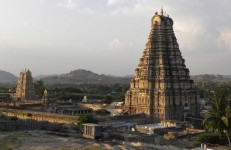
Virupaksha Temple in Hampi is dedicated to lord Shiva. Know more about the legends and history of Virupaksha Temple, Hampi.
Hampi is a UNESCO World Heritage Site on the southern bank of the Tungabhadra river in the Vijayanagara district of Karnataka. It is a

Hampi Utsav 2017. Know about Hampi Utsav 2017 schedules and different activities which include sports, adventure activities, and performances by artists.
Dedicated to Lord Hanuman, the Yantrodharaka Hanuman Temple gets its name from the image of Hanuman placed inside an amulet. Hanuman’s position differs from
Hampi by Night- walk through the illuminated city of Hampi under the moonlight and experience the beauty of the monuments along with light and sound show.

Hampi Utsav highlights. Know about the highlights of Hampi Utsav If you plan to attend the festival, do not miss these 10 events and attractions.
Every tourist place has that one spot which earns it galore and admiration. For Hampi, the small, dainty temple village set in Karnataka, it’s
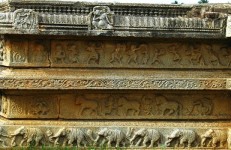
Royal Enclosure, Hampi used to be the homes of erstwhile kings and queens. Know more about Royal Enclosure and its architecture.